 Reviews


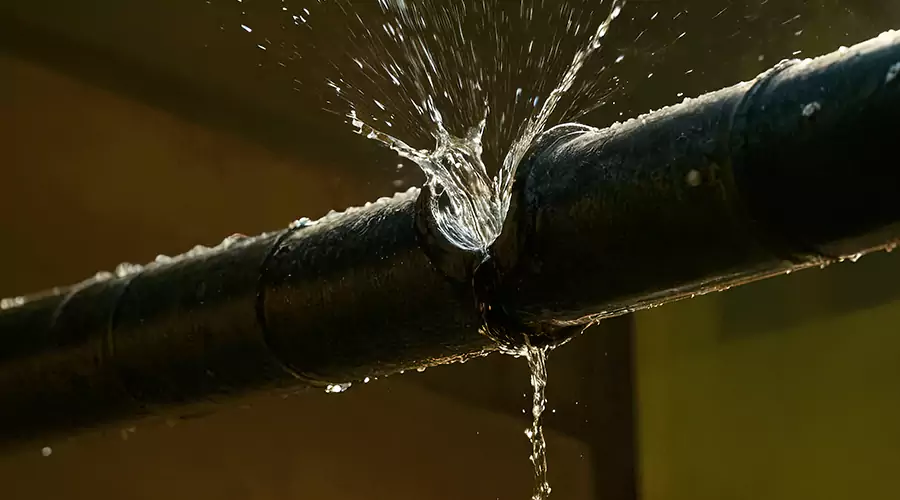
Few plumbing emergencies move as fast as a burst pipe. Water pours into walls, floors, and ceilings within minutes, and the damage compounds with every second that passes. Knowing exactly what to do in those first critical moments makes the difference between a manageable repair and a devastating, home-wide restoration project.
Staying calm and following the right steps protects your home, your belongings, and your family when a pipe bursts.
Why Pipes Burst?
Understanding what causes a pipe to burst helps you recognize warning signs before a full failure occurs.
Freezing temperatures are the most common cause of burst pipes in the United States. Water expands as it freezes, and that expansion generates enough internal pressure to split a pipe wall entirely. Pipes in unheated spaces, exterior walls, and crawl spaces are most vulnerable during winter cold snaps.
Corrosion and age weaken pipes gradually from the inside out. Old galvanized steel pipes and copper pipes with decades of use develop thin spots and small cracks that eventually give way under normal water pressure, making regular plumbing maintenance essential to catch these issues early.
High water pressure puts constant stress on pipe walls and joints. Operating consistently above 80 PSI accelerates wear on every component in your plumbing system and increases the likelihood of a sudden failure.
Clogs and blockages create pressure buildups behind the obstruction that the pipe wall may not be able to withstand. Severe blockages in drain lines and supply pipes are a less common but real cause of pipe failure.
Tree root intrusion is a leading cause of burst sewer lines. Roots grow toward moisture and work their way into pipe joints, eventually cracking and collapsing the line from the outside in.
The Warning Signs of a Pipe About to Burst
Catching a failing pipe before it fully ruptures gives you time to act before a flood begins.
Noticing a sudden and unexplained drop in water pressure throughout the home is one of the clearest early signals. Water that arrives at your taps with a rust-colored tint or carries a metallic smell suggests internal pipe corrosion that may be approaching failure.
Finding damp spots on walls or ceilings, soft patches on floors, or bubbling paint and wallpaper without an obvious cause points to water escaping from a pipe inside the structure. Hearing the sound of running water inside walls or floors when every fixture in the home is turned off is another strong warning sign.
Acting on these signals by calling a licensed plumber for an inspection prevents a manageable problem from escalating into a full burst.
What to Do Immediately When a Pipe Bursts?
Step 1: Shut Off the Main Water Supply Right Away
Finding and turning off the main water shut-off valve is the single most important action you can take in the first moments of a burst pipe emergency. Every second the water supply stays on, more water enters the home.
Main shut-off valves are typically located near the water meter, in the basement, in a utility closet, or where the main supply line enters the home from outside. Turning it fully clockwise cuts off water flow to the entire house immediately.
Knowing the location of this valve before an emergency occurs is critical. Walking through your home today and confirming exactly where it is takes less than five minutes and could save you thousands of dollars in future water damage.
Step 2: Turn Off the Electricity in Affected Areas
Water and electricity are a dangerous combination. If a burst pipe is releasing water near electrical outlets, appliances, or your electrical panel, turning off the power to those areas at the breaker box is an essential safety step.
Avoiding contact with standing water in a room that may have live electrical current running through it protects you from serious injury. If the electrical panel itself is in a flooded area and you cannot reach it safely, call your electricity provider immediately and stay out of the affected space until the power is confirmed off.
Step 3: Open Faucets to Drain Remaining Water
Turning on cold water faucets throughout the home after shutting off the main supply drains residual water from the pipes quickly. This reduces the total volume of water that can escape from the burst section and speeds up the process of getting the pipe empty before repairs begin.
Keep the faucets open until water stops flowing completely.
Step 4: Call a Licensed Plumber Immediately
Contacting a licensed emergency plumber as soon as the immediate situation is controlled gets professional help on the way. Burst pipe repair requires proper diagnosis of the damaged section, correct pipe material selection, and quality workmanship to prevent a repeat failure.
Providing the plumber with as much information as possible about the location of the burst, the type of pipe involved if known, and how long water has been flowing helps them arrive prepared for the specific repair needed.
Step 5: Document Everything Before Cleaning Up
Taking photos and videos of all water damage before moving anything or beginning cleanup creates a complete record for your homeowners insurance claim. Capture the burst pipe location, all affected rooms, damaged flooring, walls, ceilings, furniture, and any personal property that has been damaged.
Thorough documentation supports a stronger insurance claim and reduces the likelihood of disputes over the extent of the damage.
Step 6: Begin Water Removal as Quickly as Possible
Removing standing water from affected areas as fast as possible limits the spread of damage and dramatically reduces the risk of mold growth. Mold can begin developing in wet building materials within 24 to 48 hours of water exposure.
Using mops, towels, and buckets handles small amounts of water effectively. Renting a wet-dry vacuum from a hardware store removes larger volumes faster. For significant flooding, contacting a professional water damage restoration company gets industrial drying equipment into the home quickly and gives your property the best chance of a full recovery.
How to Temporarily Stop a Burst Pipe From Leaking?
In some situations, a plumber cannot arrive immediately and water continues to escape from the damaged pipe even after the main supply is shut off. Temporary measures can slow or stop the flow while you wait for professional help.
Pipe repair tape and pipe clamps are available at hardware stores and can provide a temporary seal over a crack or split in an accessible pipe. Wrapping the damaged section tightly with rubber pipe repair tape slows water escape significantly without requiring any permanent work.
Epoxy putty designed for pipe repair can be pressed directly over a crack and hardens quickly to form a watertight temporary seal. These are short-term solutions only. Every temporary repair must be assessed and replaced by a licensed plumber with a permanent fix as soon as possible.
Avoid applying any temporary solution to a pipe under active water pressure. Always confirm the main supply is off before attempting any contact with the damaged section.
Assessing the Damage After a Burst Pipe
Once water flow has stopped and the immediate emergency is under control, a thorough assessment of the damage guides the next steps.
Walking through every room of the home and checking walls, ceilings, floors, and cabinets for signs of water intrusion gives you a complete picture of how far the water traveled. Water moves quickly and finds its way into spaces that are not immediately obvious, including insulation inside walls, subfloor materials, and structural framing.
Contacting a water damage restoration professional for a full assessment is worth considering for any significant burst pipe event. Professionals use moisture meters and thermal imaging cameras to detect hidden water in walls and floors that visual inspection alone cannot reveal. Addressing hidden moisture completely is essential to preventing mold growth inside the structure.
Filing a Homeowners Insurance Claim for Burst Pipe Damage
Most standard homeowners insurance policies cover sudden and accidental burst pipe damage. Understanding how to navigate the claims process helps you recover costs efficiently.
Contacting your insurance company as soon as possible after the emergency begins the claims process. Provide the documentation you gathered including photos, videos, and a written account of what happened and when.
An insurance adjuster will inspect the damage and assess the claim. Having a detailed record of all affected areas, damaged property, and repair costs supports a thorough settlement. Keep all receipts for emergency repairs, water removal services, temporary accommodation if the home is uninhabitable, and any replacement items purchased.
Be aware that gradual leaks are treated differently. Insurance companies distinguish between sudden, accidental damage and damage resulting from a slow leak that was left unaddressed over time. The latter is typically not covered because it is considered a maintenance issue the homeowner had the opportunity to fix.
Reviewing your specific policy with your insurance agent before winter arrives clarifies exactly what your coverage includes and whether additional riders for sewer backup or water damage are worth adding.
How Much Does Burst Pipe Repair Cost?
Repair costs for a burst pipe vary based on the pipe material, its location within the home, and the extent of the surrounding water damage.
| Type of Repair | Average Cost |
|---|---|
| Single pipe section repair | $200 – $1,000 |
| Pipe repair inside a wall | $500 – $2,000 |
| Water damage restoration | $1,500 – $15,000 |
| Mold remediation | $1,500 – $9,000 |
| Flooring replacement | $1,000 – $5,000 |
| Drywall repair and repainting | $500 – $3,000 |
| Full pipe replacement (repiping) | $4,000 – $15,000 |
These figures represent national averages. Total costs rise sharply when significant water damage, mold, and structural repairs are factored together. Acting fast to stop water flow and remove moisture from the home has a direct and significant impact on keeping total repair costs as low as possible.
Preventing Future Burst Pipes
Taking proactive steps after a burst pipe repair reduces the likelihood of facing the same emergency again.
Insulating all exposed pipes before winter arrives is the most important preventive measure for cold-weather pipe bursts. Pipe insulation sleeves cost very little and take only a few hours to install throughout a home.
Installing a smart water leak detector connected to your home's Wi-Fi sends an alert directly to your phone the moment moisture is detected near a pipe, appliance, or water-using fixture. Some advanced systems connect directly to an automatic shut-off valve that cuts the water supply without any manual action required.
Having a licensed plumber perform a full plumbing inspection identifies corroded pipes, high-pressure issues, and vulnerable sections of your system before they reach the point of failure. Scheduling this inspection annually or after any significant cold weather event gives you a clear picture of your plumbing system's current condition.
Maintaining home water pressure within the recommended range of 40 to 80 PSI reduces stress on pipe walls and joints throughout the system. A pressure reducing valve installed by a licensed plumber keeps incoming pressure at a safe and consistent level automatically.
Building a Burst Pipe Emergency Plan
Preparing for a burst pipe before it happens puts your entire household in a position to respond quickly and effectively when the situation is most stressful.
Writing down the location of the main water shut-off valve and posting it somewhere visible ensures every adult in the home can find and operate it without delay. Adding the phone numbers of a trusted licensed plumber and a water damage restoration company to your contacts means you are not searching for help in the middle of an emergency.
Testing the main shut-off valve periodically confirms it operates smoothly and does not seize up when you need it most. Valves that have not been operated in years sometimes stick and are difficult to turn quickly in an emergency.
Keeping a basic supply of pipe repair tape, a pipe clamp, and a wet-dry vacuum at home provides immediate response capability while professional help is on the way.
Summary
A burst pipe is one of the fastest-moving and most damaging emergencies a homeowner faces. Every minute that water flows unchecked adds to the cost and complexity of the recovery.
Shutting off the main water supply immediately, turning off electricity in affected areas, draining residual water from the pipes, calling a licensed plumber, and documenting all damage are the five actions that matter most in the first critical moments.
Removing water quickly, drying the home thoroughly, and filing a homeowners insurance claim with complete documentation give you the best possible outcome after a significant pipe burst event.
Preventing future failures through pipe insulation, smart leak detection, regular plumbing inspections, and proper pressure management turns a reactive emergency response into a proactive protection strategy.
Strong plumbing starts with preparation. Knowing what to do before a pipe bursts is the single most valuable piece of plumbing knowledge any homeowner can have.